
 28 Oct 2026
 5 min read
 Author: Darshan Gupta
From cruising between limestone islands to exploring lantern-lit streets and tasting freshly prepared street food, Vietnam has something for every kind of traveller.
The best things to do in Vietnam include, but are not limited to, exploring historic towns, cycling through rice fields, learning the country's rich history, relaxing on tropical beaches, and discovering everyday life in bustling cities.
Whether you are travelling as a couple, with family, or with friends, this post has everything to make your trip special.
To help you plan a trip that matches your interests, we as a trusted travel agency in India have rounded up some of the most interesting and fun things that you can do in the land of the Blue Dragon.
1. Cruise Through the Limestone Islands of Ha Long Bay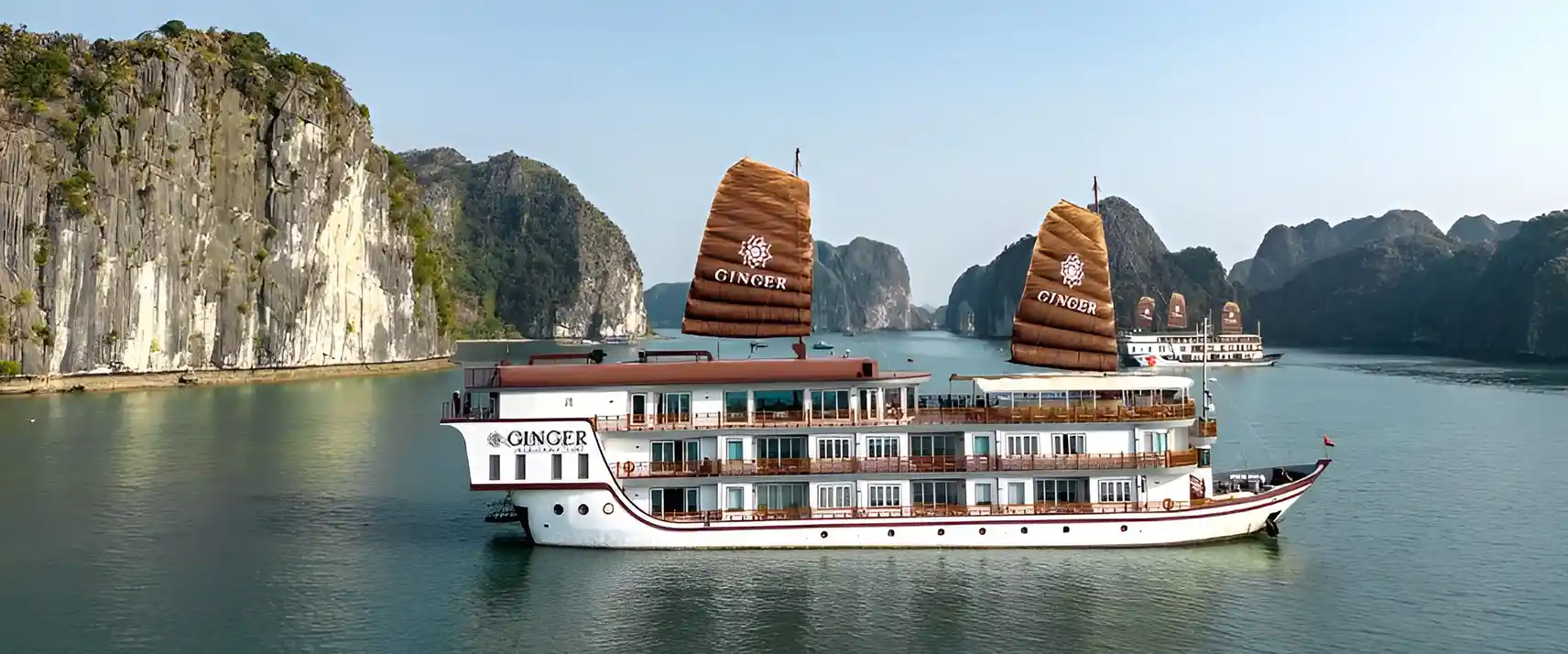
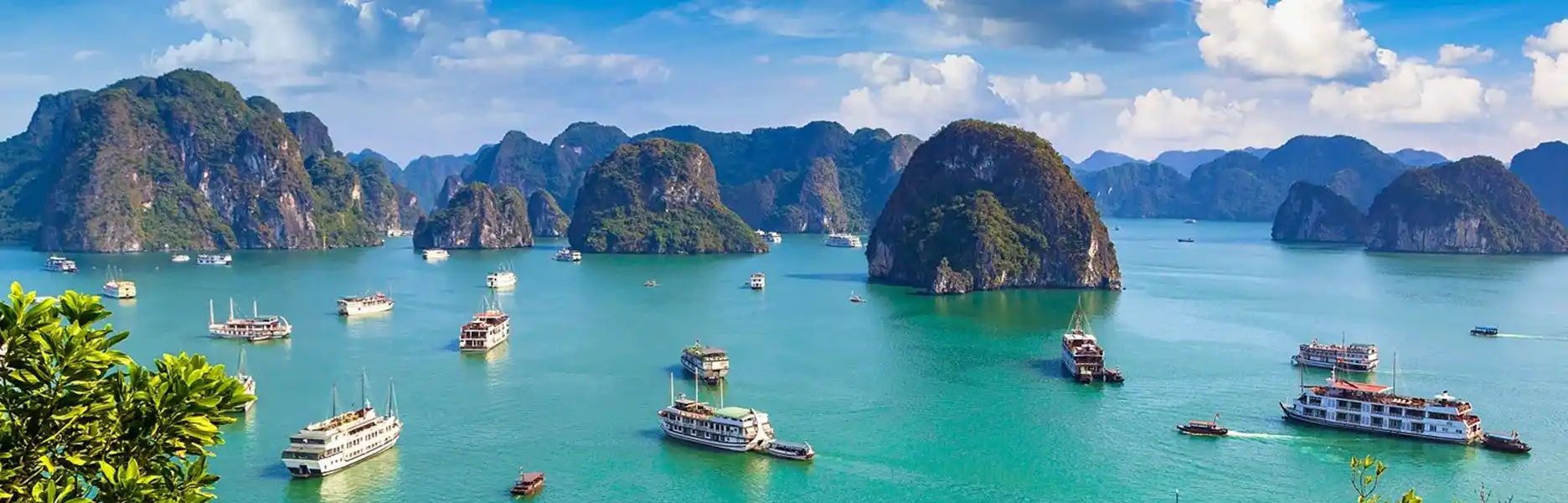
Imagine spending a day sailing past towering limestone islands, stopping to explore hidden caves, or kayaking through the calm waters of Ha Long Bay. It's one of Vietnam's most famous experiences, and for good reason.
If you're short on time, a day cruise lets you enjoy the scenery and visit some of the bay's popular attractions. However, an overnight cruise gives you more time on the water, with opportunities to watch the sunset, enjoy dinner on board, and wake up surrounded by limestone islands.
Ha Long Bay is part of the UNESCO-listed Ha Long Bay–Cat Ba Archipelago, known for its distinctive limestone formations and natural beauty.
Travel tip: Before booking, check the cruise route and what's included in the price. Meals, kayaking, cave visits, and other activities may vary between operators.
2. Explore the Historic Streets of Hoi An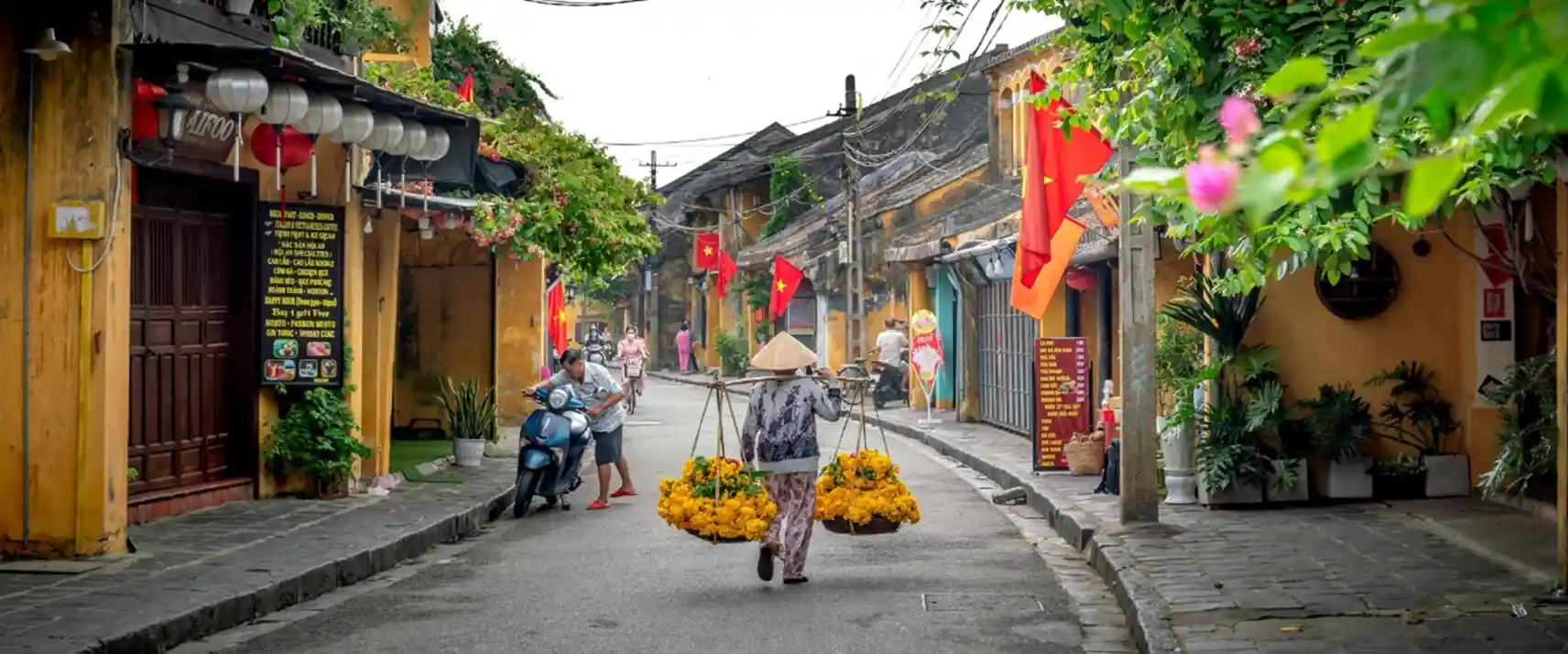
Hoi An feels particularly special in the evening, when colourful lanterns light up its narrow streets and riverside cafés fill with visitors. But there's plenty to explore before sunset, from old merchant houses and the Japanese Covered Bridge to shops selling handmade lanterns and traditional clothing.
Hoi An's heritage reflects centuries of cultural and commercial exchange. UNESCO recognises the ancient town as an outstanding example of a historic Southeast Asian trading port. Read more on the official UNESCO website.
Visit in the late afternoon if you want to explore the streets before enjoying the evening atmosphere. Remember that popular lanes can become busy, so an early start offers a quieter experience.
3. Discover Hanoi's Culture and Old Quarter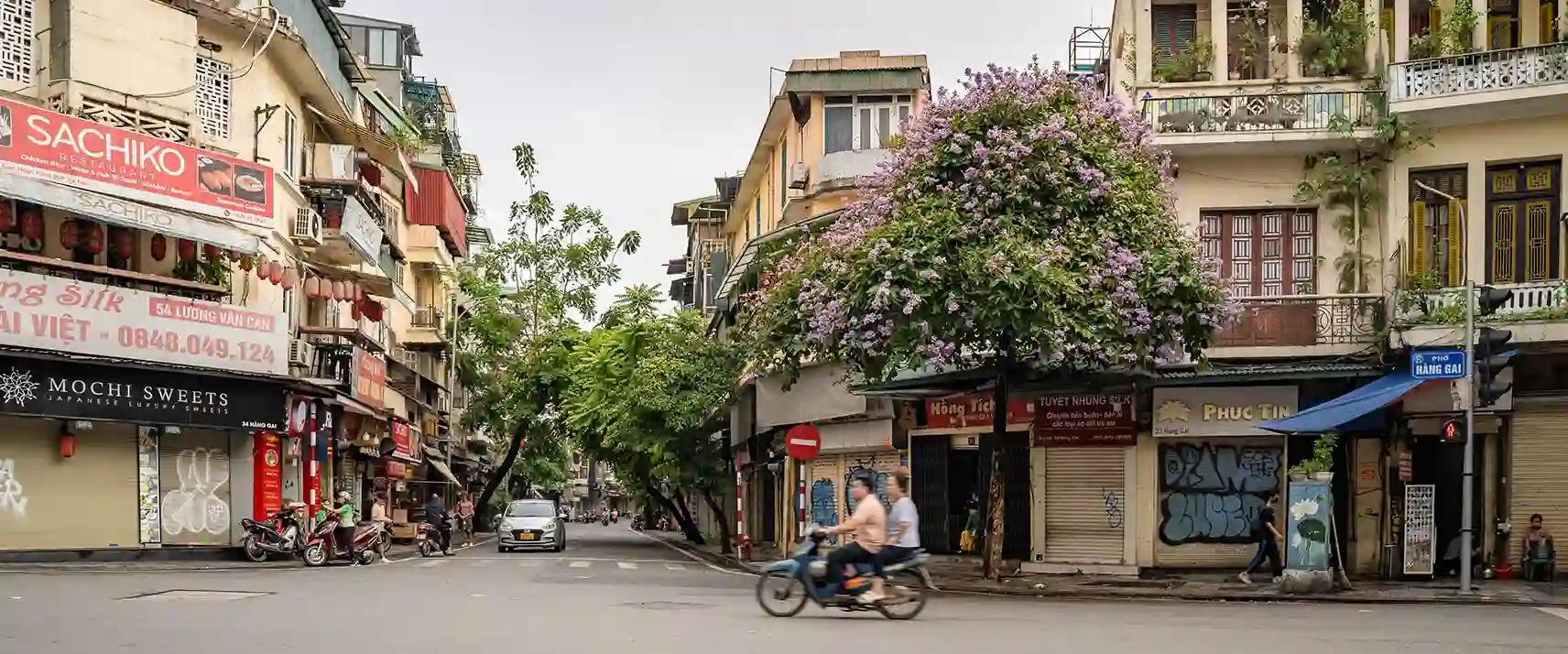
Hanoi is the kind of city best explored on foot, especially around its Old Quarter. Here, narrow streets are lined with small shops, street-food stalls, old buildings, and cafés where people gather over Vietnamese coffee. Start near Hoan Kiem Lake before making your way through the surrounding streets.
Food lovers should try local specialities such as pho, a Vietnamese noodle soup, and banh mi, a filled baguette. Small eateries often provide a more local experience than restaurants designed mainly for tourists.
Allow enough time to explore without rushing. Hanoi's traffic can feel overwhelming at first, but that is part of the city's rhythm. Cross roads carefully, follow local pedestrian guidance, and avoid assuming that every vehicle will stop for you.
4. Enjoy the Beaches and Coastal Attractions of Da Nang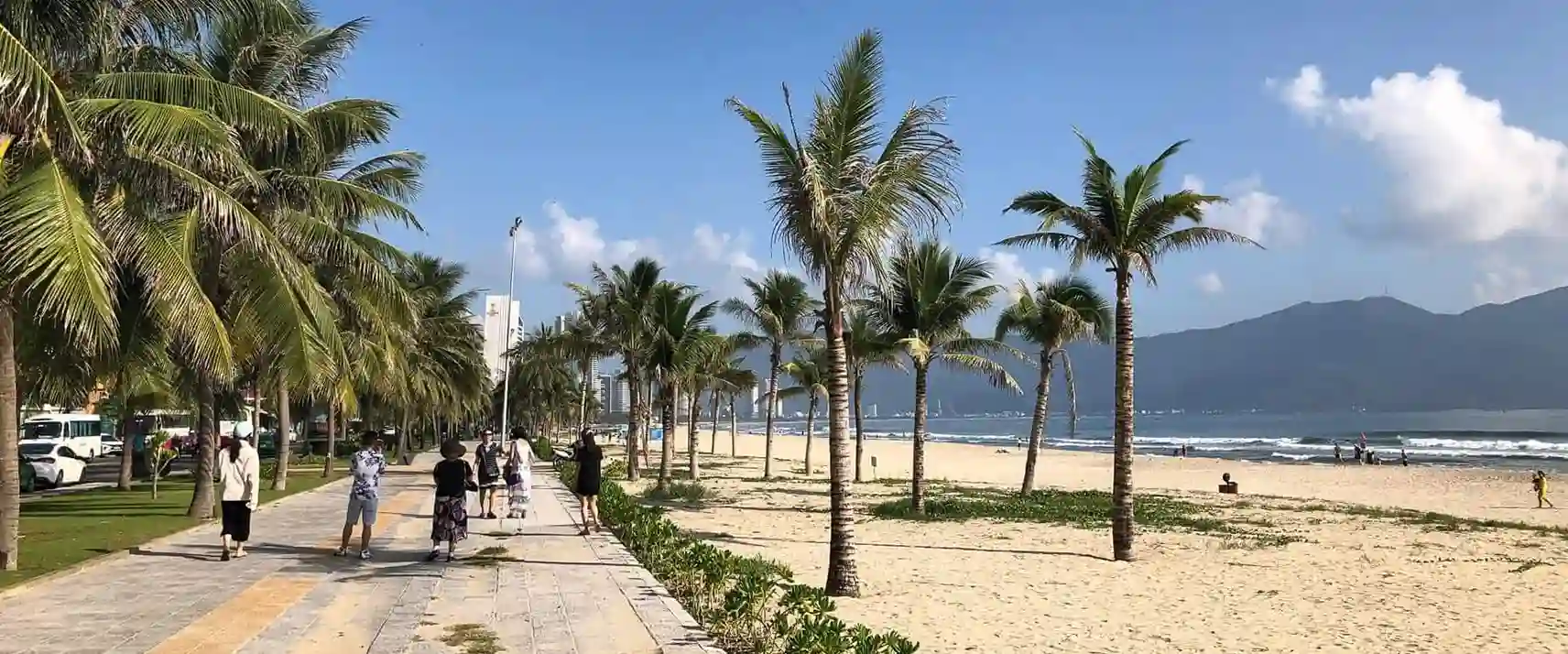
If you are looking for a destination where you can spend the morning sightseeing and the afternoon relaxing by the sea, Da Nang is the place for you. From the sandy stretch of My Khe Beach to the caves and pagodas of the Marble Mountains, the city offers enough variety to fill a few days without making your itinerary feel rushed.
Beach conditions depend on the season, so check the forecast before planning swimming or water activities. If you enjoy a mix of sightseeing and relaxation, Da Nang can fit comfortably into a multi-day itinerary.
For more destination inspiration, explore the official Vietnam tourism website.
5. Experience Vietnam's Food Culture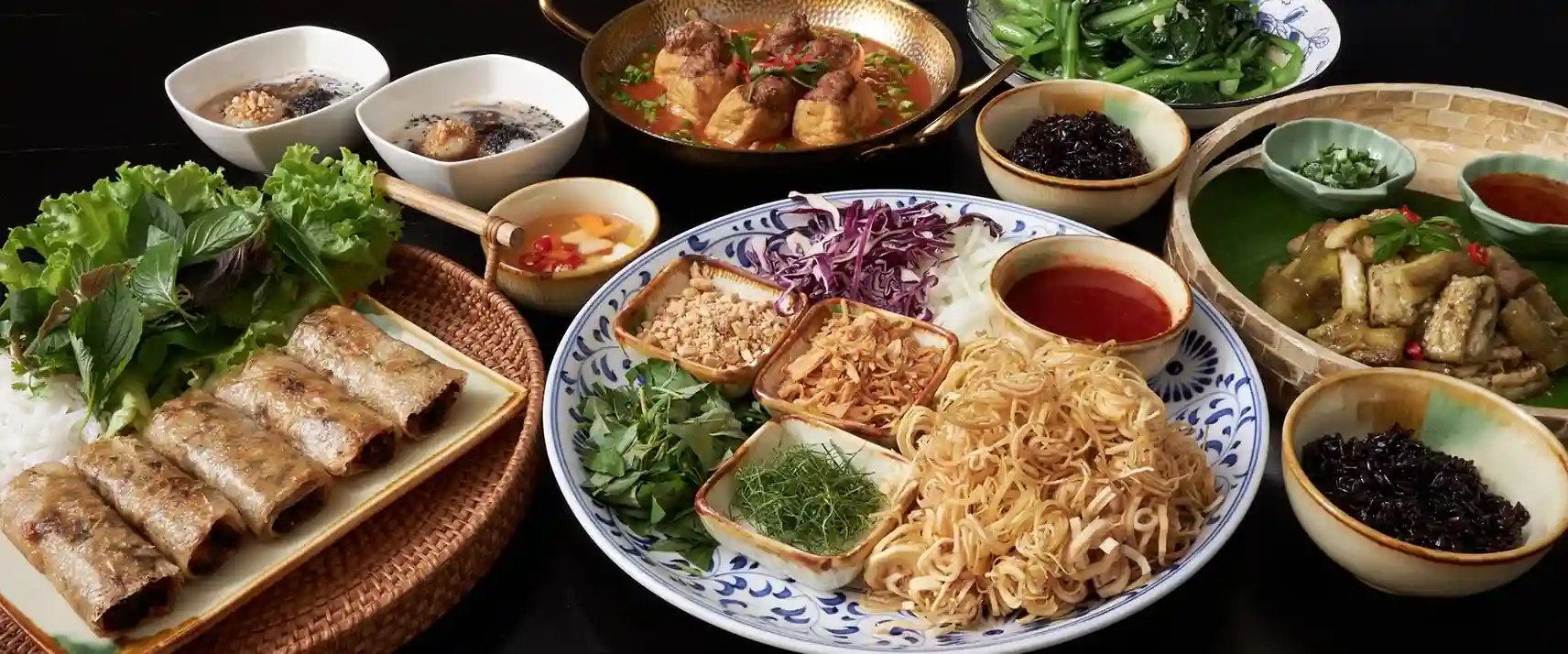
You haven't fully explored Vietnam until you've made time for its food. And while pho and banh mi are popular across the country, some of the most interesting dishes are tied to particular cities. In Hanoi, try bun cha or egg coffee. When you're in Hoi An, look for cao lau, a local noodle dish that's closely associated with the town.
Street-food stalls offer an opportunity to see how locals prepare everyday dishes. Choose busy places with good food turnover, observe basic hygiene, and mention dietary restrictions clearly when ordering.
You do not need to order everything on the menu. Start with a few local favourites and follow your curiosity from there. Sometimes, the most memorable travel experience costs less than a souvenir.
| Dishes | The insights |
| Pho | Noodle soup with aromatic broth, typically served with beef or chicken |
| Banh Mi | Vietnamese baguette sandwich with various fillings |
| Bun Cha | Hanoi-style grilled pork served with noodles and dipping sauce |
| Cao Lau | Hoi An noodle speciality with pork and herbs |
| Egg coffee | Rich coffee topped with a creamy whipped egg mixture |
6. Take a Boat Trip Through Ninh Binh's Scenic Landscape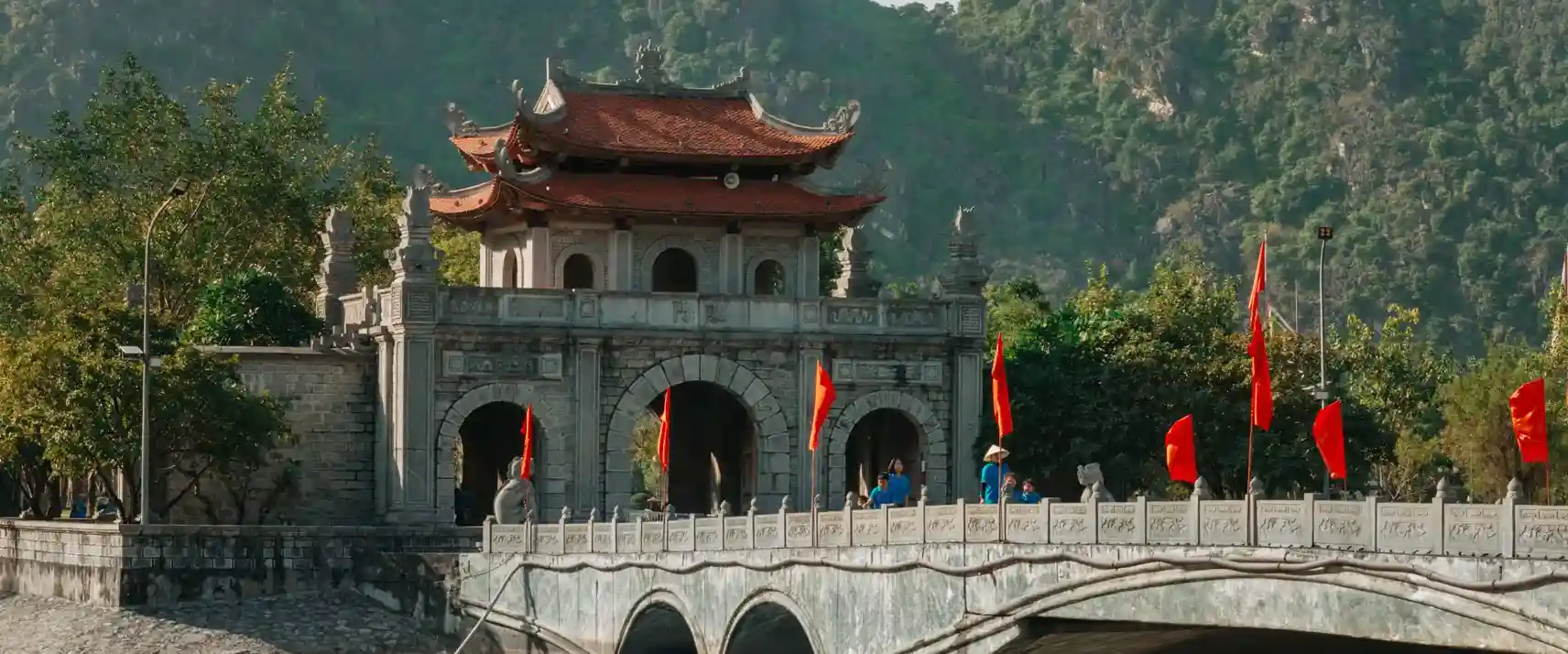
Just a few hours south of Hanoi, Ninh Binh offers a very different kind of sightseeing. Instead of busy city streets, you'll find limestone mountains, winding rivers, rice fields, and boat routes that pass through natural caves.
A boat trip through Trang An or Tam Coc lets you see the landscape from the water. Depending on the route, you may pass beneath cliffs, enter caves, and travel alongside rice fields.
Both Ninh Binh and Tam Coc offer beautiful boat rides, , but the experiences are slightly different.
Difference | Ninh Binh | Tam Coc |
| Ride Duration | A longer boat ride (around 2.5–3 hours) | A shorter ride (around 1.5–2 hours) |
| Journey | Through caves, waterways, and ancient temple sites | Along the Ngo Dong River, passing rice fields and three limestone caves |
| Ideal | If you enjoy exploring nature and historical attractions | If you have limited time or want to enjoy the countryside, especially during the rice harvest season. |
7. Discover the History and City Life of Ho Chi Minh City 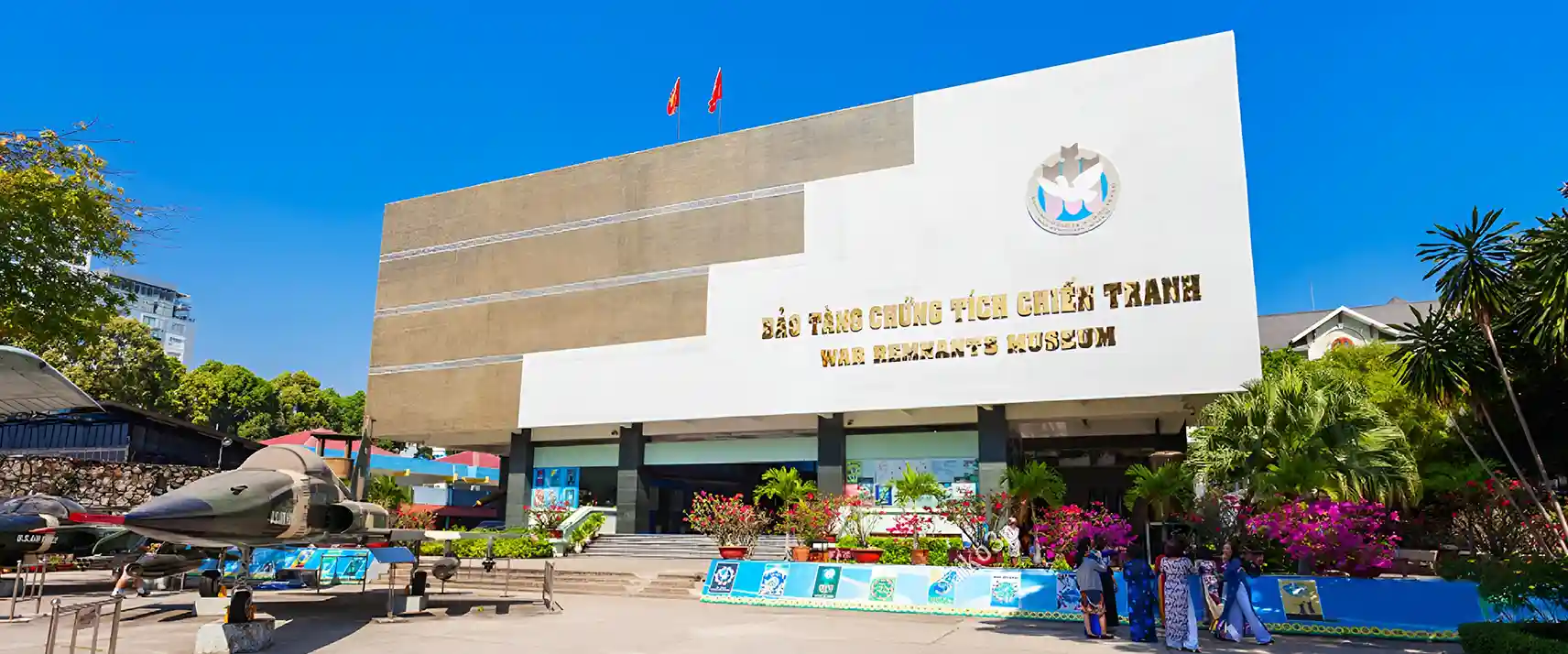
Beyond its busy streets, cafés, and modern skyline, Ho Chi Minh City has several places that tell the story of Vietnam's past. The War Remnants Museum offers a sobering look at the Vietnam War, while the Cu Chi Tunnels give visitors an insight into the underground network used during the conflict. These underground passages played a role during the war and now help visitors understand the conditions and strategies of that period.
Choose a reputable guide who presents the history respectfully and provides context. The experience can be powerful, so allow time to reflect rather than treating every stop as a quick photo opportunity.
8. Explore the Mekong Delta by Boat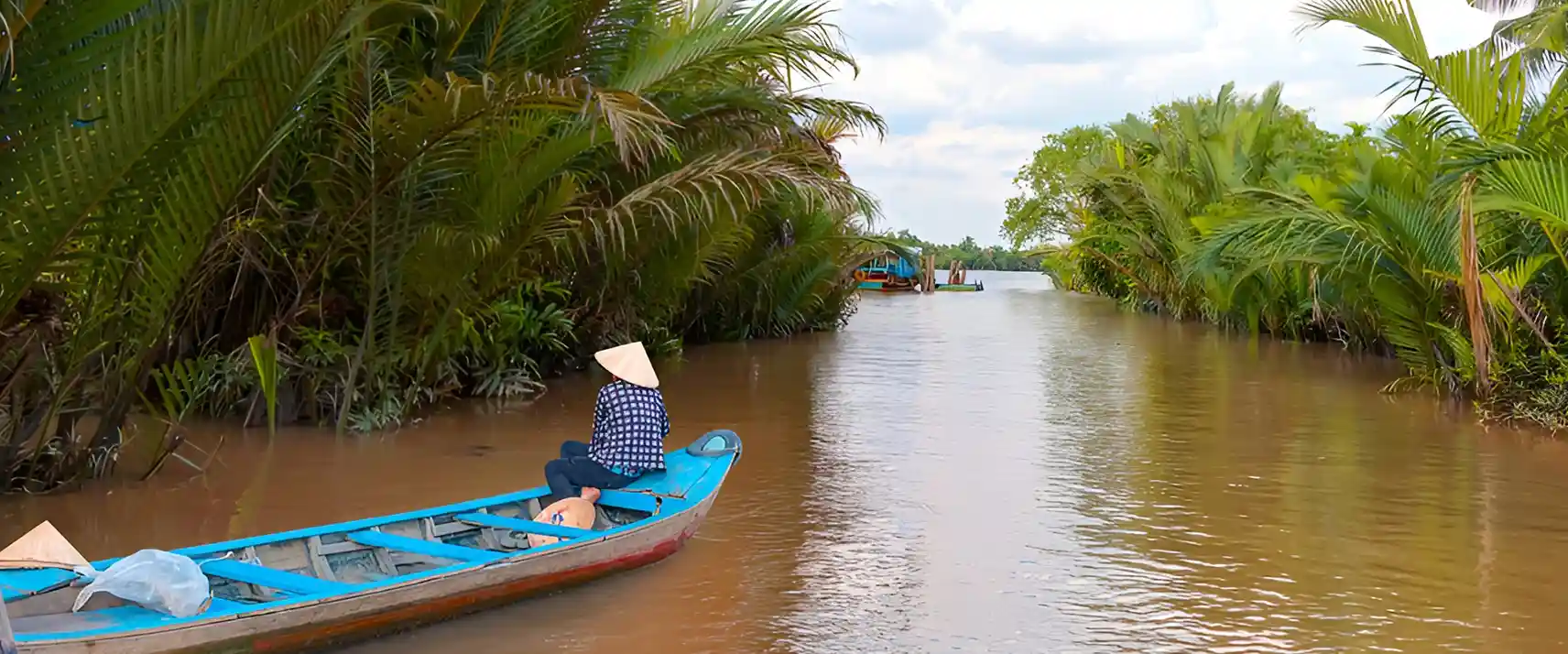
Do you want to explore and experience a different side of Vietnam, away from the busy cities and popular tourist attractions? Head to the Mekong Delta in southern Vietnam, where rivers and canals are an important part of everyday life.
A boat trip is one of the best ways to explore the region. You'll pass riverside villages, coconut groves, and fruit orchards, with opportunities to stop at local markets, try tropical fruits, and see how traditional products are made.
Depending on your interests, here are some places worth exploring:
Ben Tre: Enjoy a boat ride through narrow canals lined with coconut palms and visit local workshops known for coconut-based products.
Can Tho: It is situated in the heart of the Mekong Delta. Take an early morning boat trip between 5:00 AM and 6:00 AM to get the best of the ride. You will find traders selling fruits and vegetables from their boats.
Cai Be: The main highlights of this ride include a cruise through the Tien River, a ride at the palm-lined Sampan Canal, and family-run local stops, to name a few.
Travel tip: If you want to experience Cai Rang Floating Market, plan your boat trip early in the morning, when trading is generally most active. Market activity varies, so check the latest conditions before booking.
9. Go Trekking in Sapa's Mountain Landscapes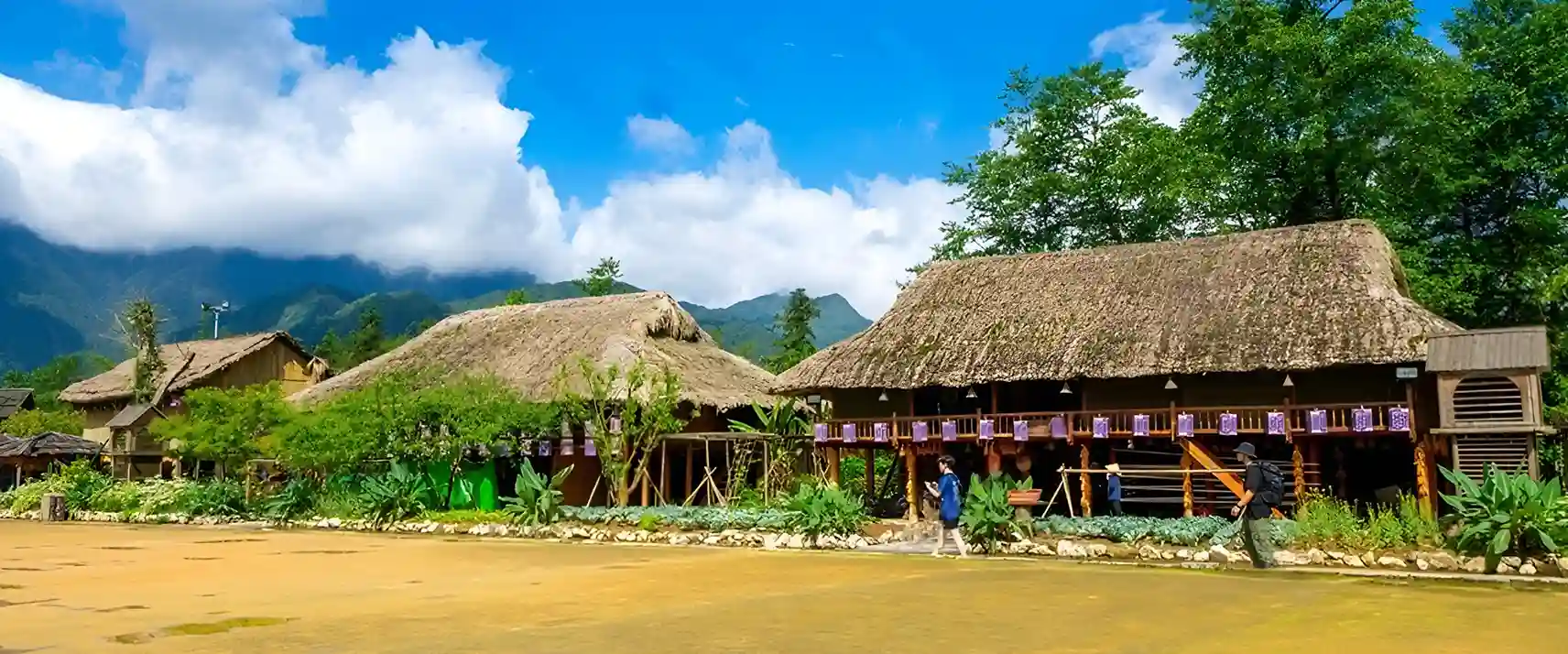
If you enjoy hiking and spending time in nature, Sapa in northern Vietnam deserves a place on your itinerary. Known for its terraced rice fields, mountain valleys, and small villages, Sapa offers some of the most scenic trekking experiences in the country.
You can choose a short village walk or a guided trek through the Muong Hoa Valley, depending on how adventurous you feel. Some popular places to explore include:
- Lao Chai Village: Walk through terraced rice fields and learn about the traditions of the local H'Mong communities.
- Ta Van Village: Enjoy mountain views, explore village trails, and experience local hospitality through a homestay.
- Cat Cat Village: A popular option near Sapa town, known for its mountain scenery, waterfalls, and cultural attractions.
Exploring this place with the help of a travel guide will give you an opportunity to discover the countryside beyond the usual sightseeing routes.
Travel tip: September and October are particularly beautiful months to visit Sapa, when many rice terraces turn golden before the harvest. Wear comfortable trekking shoes and choose a trail that matches your fitness level, especially during the rainy season.
10. Discover the Caves of Phong Nha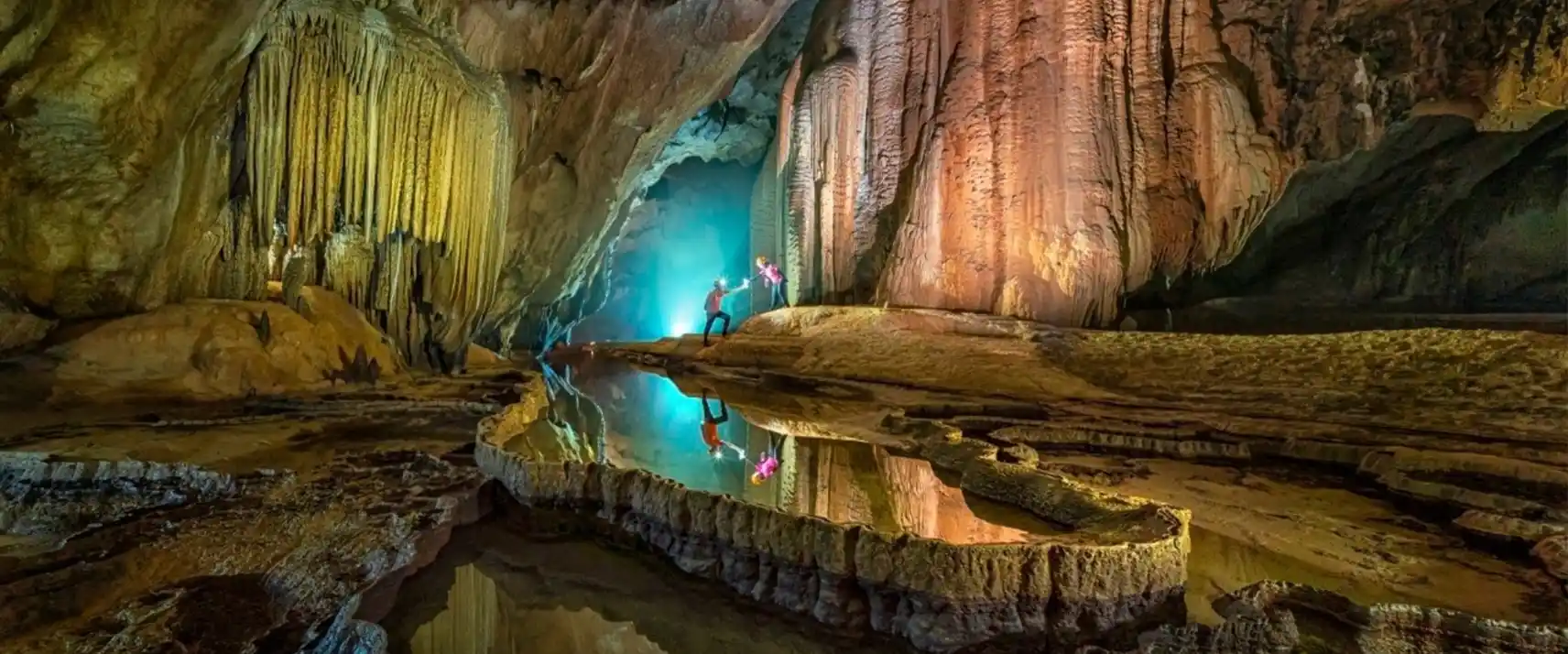
Ever wondered what lies beneath Vietnam's limestone mountains? Phong Nha–Ke Bang National Park is home to an impressive network of caves, underground rivers, and rock formations that have developed over millions of years.
Whether you're interested in sightseeing or looking for a little adventure, there are several caves worth exploring:
Phong Nha Cave: Take a boat along the Son River and enter the cave through its underground waterway.
Paradise Cave: Known for its impressive rock formations, the cave paves the wooden path inside enormous chambers filled with stalactites and stalagmites.
Dark Cave: Looking for something more adventurous? Depending on the tour, you can enjoy ziplining, kayaking, and a natural mud bath inside the cave.
For experienced adventure seekers, the region is also home to Son Doong, the world's largest known cave by passage volume. However, exploring it requires a specialised, multi-day expedition booked well in advance.
Travel tip: Choose your cave tour based on your fitness level and interests. Phong Nha Cave and Paradise Cave are suitable for relatively straightforward sightseeing, while Dark Cave and longer expeditions involve more physical activity. Check weather conditions and tour availability before visiting.
11. Relax on Phu Quoc Island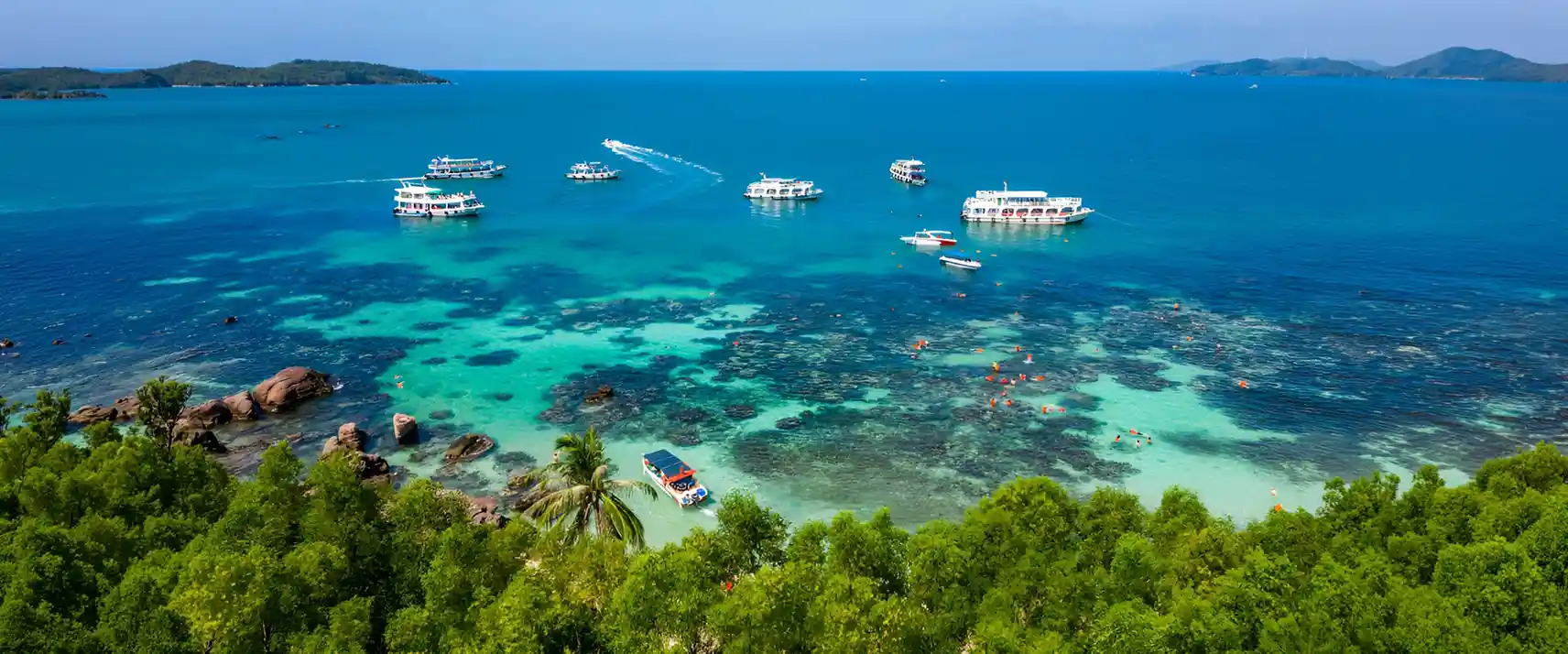
After days of exploring Vietnam's cities and historical attractions, Phu Quoc offers a change of pace. Spend your mornings relaxing on beaches such as Long Beach or Sao Beach, explore the island's night markets, or take a boat excursion to nearby islands when sea conditions are favourable.
Weather varies throughout the year, and sea conditions can affect boat trips. Check the local forecast before arranging island excursions or water sports.
Phu Quoc works especially well as a relaxing final stop after a busy itinerary through Hanoi, central Vietnam, or Ho Chi Minh City.
How to Plan Your Vietnam Sightseeing Itinerary
Vietnam stretches across a long north-to-south route, so travelling between distant destinations can take considerable time. Avoid squeezing too many stops into a short holiday.
Use these simple planning tips:
- For 5–6 days: Focus on one region, such as Hanoi and Ha Long Bay or Da Nang and Hoi An.
- For 7–9 days: Combine selected destinations in two regions, allowing time for transfers.
- For 10–14 days: Consider a broader route covering northern, central, and southern Vietnam, depending on flight schedules and travel preferences.
Check domestic transport times before finalising the route. A destination may look close on a map but still require several hours of travel.
The best Vietnam sightseeing places are not necessarily the ones you visit in the greatest number. When exploring Vietnam Tour Packages from India, choose experiences that suit your interests, leave room for rest, and avoid turning your holiday into a race against the clock.
Final Thoughts
The best things to do in Vietnam combine natural beauty, local culture, history, food, and time to relax. From Ha Long Bay's limestone islands to Hoi An's historic streets and Phong Nha's remarkable caves, each region offers a different reason to explore.
Plan your itinerary around your interests, check seasonal conditions, and allow enough time between destinations. You do not need to experience everything in one trip. Choose the activities that excite you most, stay curious, and let Vietnam surprise you along the way.



Comments